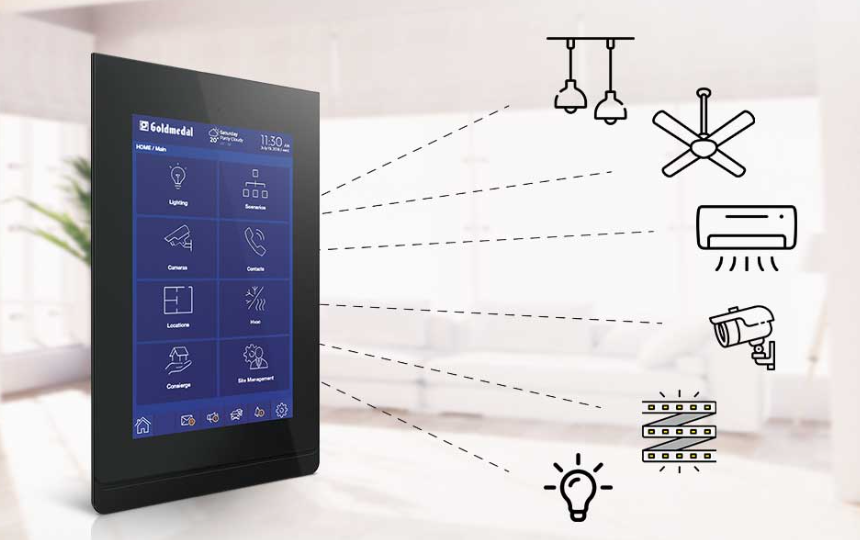

Smart home automation systems coordinate devices to respond to user behavior, delivering consistent comfort and convenience across rooms. They streamline routines, reduce manual input, and support predictable outcomes with energy dashboards and proactive alerts. Enhanced security and privacy safeguards aim to bolster peace of mind, while centralized maintenance and updates protect long-term value. The interplay of automation, efficiency, and security invites continued consideration of how these systems fit daily life and future readiness.
How Smart Home Automation Improves Daily Convenience
Smart home automation enhances daily convenience by automating routine tasks and coordinating devices to respond to user behavior. It enables Convenience focused workflows that streamline activities, such as lighting, climate, and notifications, creating a coherent living environment. Routine automation reduces manual input, freeing users to focus on valued activities while maintaining predictable, reliable responses across rooms and moments.
Saving Energy and Lowering Bills With Connected Devices
Connected devices in a smart home can meaningfully reduce energy use by aligning consumption with actual needs. Energy dashboards provide real-time visibility, enabling informed adjustments to schedules and settings. Automated alerts support rapid responses, while predictive maintenance minimizes inefficiencies by anticipating device wear. Collectively, these measures lower bills without sacrificing comfort, offering freedom through smarter, purposeful consumption.
Enhancing Security and Peace of Mind at Home
A secure home relies not only on efficient energy use but also on reliable protection of occupants and property. Smart systems centralize monitoring, alerting, and controls, reducing risk of intrusions and accidental neglect.
Yet security breaches and privacy concerns persist, demanding robust encryption, regular updates, and transparent data practices to maintain trust while preserving user autonomy and freedom in daily life.
Choosing, Installing, and Maintaining Your System for Long-Term Value
Selecting and configuring a home automation system for durable value requires evaluating compatibility, scalability, and total cost of ownership upfront. The process emphasizes finding compatibility across devices and ecosystems, careful planning for future expansion, and minimizing disruption during installation. Vendors should document integration paths and support. Choosing sensors that match performance needs, reliability, and privacy safeguards ensures long-term value and user autonomy.
Frequently Asked Questions
How Do I Start Automating a Rental or Shared Living Space?
Starting automation in a rental or shared space requires evaluating startup costs, ensuring rental compliance, selecting scalable, wireless devices, and proposing clear policies; a detached analysis notes phased implementation, landlord approval, tenant consent, and ongoing system governance for user freedom.
Can Smart Devices Operate During a Power Outage Reliably?
Outage resilience appears as a dimmed skyline; devices rarely run solely on power banks. In practice, reliability hinges on battery backup, local autonomy, and device design. For freedom-loving users: expect partial function, not perpetual operation.
What Privacy Controls Are Essential for Smart Home Data?
Privacy controls are essential; data minimization is critical. The user should enable local processing, minimize cloud exposure, and regularly audit permissions, logs, and third-party access. This approach supports autonomy, security, and informed, empowering freedom in smart homes.
Do Smart Systems Require Professional Monitoring or Can I Self-Monitor?
The question: smart systems can be self-monitored or professionally monitored, depending on the setup and risk tolerance. Monitoring options vary; self monitoring suits confident users seeking autonomy, while professional monitoring offers enhanced reliability and rapid incident response.
How Scalable Are Smart Home Setups for Future Upgrades?
Could scalability planning determine whether devices multiply without constraint? Smart homes exhibit strong scalability for future upgrades when guided by future proofing architecture and modular components, enabling gradual expansion, interoperable ecosystems, and adaptable network architectures that respect user autonomy.
Conclusion
Smart home automation promises effortless daily routines and monitored efficiency, yet its allure coexists with caution. Juxtaposing convenience against privacy risk highlights a balancing act: seamless control and energy savings versus potential data exposure and system dependency. As devices synchronize to anticipate needs, households gain predictability and cost containment, but require ongoing updates and vigilant security practices. Ultimately, informed choices—from device selection to regular maintenance—reconcile comfort with resilience, delivering long‑term value without surrendering autonomy.